
The V-taper physique is one of the most sought-after goals that fitness professionals aim to achieve, creating the appearance of broad shoulders, a wide upper body, and a narrow waist. This balanced look is often associated with strength, athleticism, and an aesthetically pleasing physique.
If you’re unfamiliar with the term, the V-taper refers to the overall silhouette of the torso when viewed from the front. A classic example is the exaggerated cartoon character Johnny Bravo, whose upper body forms an extremely wide triangular shape. While highly dramatized, it illustrates the concept perfectly.
Understanding the V-Taper
The upper part of the triangle is formed by the shoulder line, which follows the clavicles (collarbones) from one shoulder to the other.
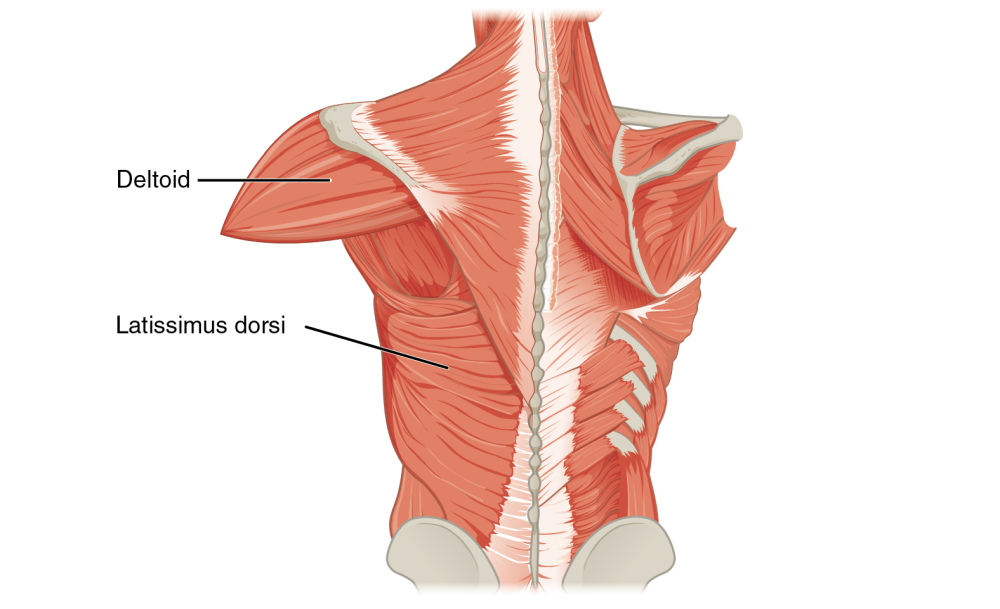
The two sides of the triangle extend downward through the serratus muscles and the latissimus dorsi (lats), eventually narrowing toward the waist. This is where the term “V-taper” comes from—the body gradually narrows from its widest point at the shoulders to its narrowest point at the waist.
When discussing a V-shaped physique, we are focusing on the front-facing appearance of the upper body rather than the side profile.
What Creates a Strong V-Taper?
The key factor is the ratio between shoulder width and waist size. The broader the shoulders and upper back, combined with a leaner waistline, the more pronounced the V-shape becomes.
Several factors influence this appearance. Some are determined by genetics and cannot be changed, while others can be improved through proper training, nutrition, and consistency.
One genetic factor is skeletal structure. Everyone is born with a predetermined clavicle width, which plays a major role in shoulder breadth. Likewise, muscle insertions and origins are genetically determined and can affect how the V-taper develops.
For example, the latissimus dorsi may attach higher on some individuals, making the torso appear less tapered compared to someone whose lats extend lower toward the waist. In these cases, the physique may appear closer to a “Y” shape rather than a classic V-taper.
Another important factor is shoulder structure. Individuals with lower lateral deltoid insertions often need to place additional emphasis on shoulder development. Targeted training of the side deltoids can help create greater visual width and improve the overall V-shaped appearance.
How to Build a V-Taper Physique
A large part of bodybuilding—especially competitive bodybuilding—is built around creating visual illusions, and the V-taper is no exception. In this case, the goal is to maximize upper-body width so that the waist appears narrower, even if someone is not naturally blessed with a small waist.
Competitive bodybuilders often use posing techniques, such as subtle waist rotation, to enhance this effect on stage. Those fortunate enough to have a naturally narrow waist, long clavicles, and a strong genetic predisposition for muscle growth have a significant advantage when it comes to developing an impressive V-taper.
However, most people are not born with ideal proportions. For them, achieving a well-defined V-shape requires consistent effort, focused training, and proper nutrition. The priority should be building broader shoulders and well-developed lats while gradually reducing body fat around the waist without sacrificing muscle mass.
The Most Effective Exercises for a Wider Upper Body
Exercises that target the shoulders and back play the biggest role in creating a V-shaped physique. Some of the most effective movements include:
- Pull-Ups
- Wide-Grip Lat Pulldowns
- Various Rowing Movements (primarily used to build back thickness, but they also contribute to overall upper-body development and improve the appearance of the V-taper from the rear)
- Dumbbell Lateral Raises
- Cable Lateral Raises
- Upright Rows
Together, these exercises help develop the width and density needed to create a stronger upper-body silhouette.
The Often Overlooked Serratus Anterior
One smaller muscle that contributes to the V-taper is the serratus anterior, often referred to as the “boxer’s muscle.” This muscle connects the shoulder blades (scapulae) to the rib cage and is visible on the sides of the torso below the chest and above the lats.
The primary function of the serratus anterior is to move the shoulder blades forward, a movement known as scapular protraction. In simple terms, it helps pull the shoulder blades away from the spine.
Most people do not train this muscle directly because it is heavily involved in many upper-body exercises and typically develops alongside larger muscle groups such as the chest, shoulders, and back. However, a well-developed serratus anterior can add extra detail and definition to the torso, contributing to a more complete and aesthetic upper-body appearance.
However, for those who want to place additional focus on the serratus anterior, the following exercises can be particularly effective:
1. Dumbbell Serratus Press
This movement differs from a traditional dumbbell chest press. Instead of bending the elbows throughout the exercise, start with your arms fully extended above your chest.
Keeping the elbows locked, allow the shoulder blades to move toward each other, causing the dumbbells to lower slightly. The range of motion is relatively small.
From this retracted position, actively engage the serratus anterior and push the shoulder blades forward, away from the spine. The goal is to lift the shoulders slightly off the bench using the movement of the shoulder blades rather than the arms. This controlled motion helps improve serratus activation and development.
2. Plank Plus Variation
Begin in a standard plank position with your body aligned from head to heels.
From this position, allow your chest to sink slightly toward the floor as the shoulder blades come together. Then, press firmly through your forearms and actively push your upper back away from the ground, returning to the starting position.
This additional protraction at the top of the movement increases serratus anterior involvement and helps strengthen the muscles responsible for shoulder blade stability.
The Importance of Lower-Body Development
Although the term V-taper specifically refers to the upper body, a well-developed lower body can further enhance the overall visual effect.
Balanced leg development creates better proportions throughout the physique and contributes to the illusion of a narrower waist. This is one reason why comprehensive strength training programs focus on developing the entire body rather than concentrating solely on the chest, shoulders, and back.
Ultimately, achieving an impressive V-shaped physique is a combination of strategic muscle development, maintaining a lean waistline, and creating balanced proportions that enhance the body’s overall appearance.
Building a V-Taper with Professional Guidance
While genetics play a role in determining shoulder width, waist structure, and muscle insertions, the right training approach can significantly improve your overall physique. A structured program focused on shoulder development, back width, body fat reduction, and progressive overload is essential for maximizing your V-taper potential.
Working with experienced personal trainers in Dubai can help you identify weak points, optimize your training routine, and achieve results more efficiently. Whether your goal is muscle growth, fat loss, or overall physique development, professional coaching ensures that every aspect of your training and nutrition supports a stronger and more defined V-shaped physique.


