
Body Recomposition: Can You Really Build Muscle and Lose Fat at the Same Time?
Building muscle while losing fat at the same time is often called the "holy grail" of fitness — and for good reason. It sounds almost too good to be true: gain lean tissue and shrink your waistline without cycling through separate bulking and cutting phases.
So is it actually achievable, or just a myth that gets recycled on social media? This is the process known as body recomposition, and in this article we'll look at what the science actually says, who it works best for, and how to approach it in practice.
The short answer: yes, body recomposition is physiologically possible. But it does not happen equally easily for everyone. Training experience, starting body-fat level, protein intake, resistance training quality, calorie intake and recovery all influence how likely you are to gain or maintain muscle while losing fat.
What Is Body Recomposition?
In simple terms, body recomposition is the simultaneous reduction of fat mass alongside the gain or maintenance of muscle mass — often with little or no change on the scale itself.
That last part is important: two people can weigh exactly the same before and after a recomposition phase, yet look completely different, because the ratio of muscle to fat has shifted.
Traditional fitness thinking treats muscle building and fat loss as opposing processes: building muscle requires a calorie surplus, fat loss requires a calorie deficit, and you supposedly can't do both at once.
In reality, the picture is more nuanced. The body doesn't handle muscle tissue and fat tissue as a single, unified energy account. Through a mechanism called nutrient partitioning — how your body allocates the calories and nutrients you consume — it's possible, under the right conditions, to build new muscle tissue while simultaneously drawing on fat stores for energy.
Important distinction: body recomposition does not necessarily mean that the scale moves dramatically. In fact, one of the clearest signs of successful recomposition can be relatively stable body weight combined with improved measurements, strength and visual definition.

What Does the Latest Research Say?
Body recomposition has been studied for decades, but newer research is making it increasingly clear that the old idea of "muscle gain requires a surplus, fat loss requires a deficit" is too simplistic.
A major factor is the combination of resistance training and sufficient protein intake. These provide the primary stimulus and raw materials required to preserve or build lean tissue while energy balance is manipulated to reduce fat mass.
A randomized 2026 study compared two high-protein nutritional approaches combined with structured resistance training: an isocaloric diet and a moderate calorie deficit. After 10 weeks of resistance training four days per week, both groups increased fat-free mass, while the calorie-deficit group achieved a larger reduction in fat mass.
The researchers concluded that both a moderate energy deficit and a high-protein diet at maintenance calories can support body recomposition when combined with resistance training. The study used a relatively small sample, so it should not be treated as proof that everyone can simultaneously maximize muscle gain and fat loss, but it provides useful evidence that recomposition is not simply a beginner-only phenomenon.
Earlier research also supports the idea that body recomposition can occur in different populations and under different nutritional conditions, although the magnitude of the effect varies substantially between individuals.
The important point is that body recomposition is a real physiological outcome, but it is not a guaranteed outcome. The further someone progresses in resistance training and the leaner they become, the harder it generally becomes to add muscle while simultaneously losing significant amounts of fat.
Protein Matters — But More Is Not Automatically Better
Protein is one of the most important nutritional variables during a recomposition phase because adequate protein supports muscle protein synthesis and helps preserve lean mass when calorie intake is reduced.
Research generally supports daily protein intakes around 1.4–2.0 g/kg of body weight for most exercising individuals, with higher intakes sometimes being useful during periods of calorie restriction, particularly in lean and resistance-trained athletes.
For people dieting aggressively or already carrying relatively little body fat, protein requirements can be higher than the amount needed simply to maintain muscle under normal energy availability.
A widely cited position stand from the International Society of Sports Nutrition reports that 1.4–2.0 g/kg/day is sufficient for most exercising individuals, while higher intakes may be useful for maximizing lean-mass retention during hypocaloric periods in resistance-trained individuals.
The practical takeaway is that protein should be treated as a priority during recomposition — but simply pushing protein intake higher and higher cannot compensate for poor training, inadequate recovery or an inappropriate calorie intake.
What About Whey and Plant-Based Protein?
Whey protein, thanks to its high leucine content and favorable amino acid profile, is an efficient way to increase daily protein intake and support resistance-training adaptations.
However, whey is not mandatory for body recomposition. People following plant-based diets can also build muscle effectively when total protein intake and overall diet quality are sufficient.
The bigger picture matters more than the individual protein source: total daily protein, adequate energy intake and progressive resistance training are far more important than whether the protein comes from whey, dairy, eggs, meat, soy or another source.
Who Does Body Recomposition Work Best For?
Just because something is physiologically possible doesn't mean it's the optimal strategy for every individual. Based on current research and practical coaching experience, recomposition tends to work best for:
- Beginners to resistance training
- People returning to training after a layoff
- Individuals carrying a higher starting body-fat percentage
- Anyone who hasn't previously followed a structured, progressive training program
- Postmenopausal women, who can also experience meaningful improvements in strength and body composition from resistance-based training
- In select cases, enhanced athletes using performance-enhancing substances, since this changes the underlying physiology considerably
Beginners in particular respond very efficiently to a new training stimulus, which is why it's common to see visible muscle gain even without a calorie surplus during the early stages of consistent resistance training.
But don't make the mistake of thinking recomposition is only for beginners. Research and recent data show that trained individuals can also improve body composition. The difference is that the process is usually slower and requires much tighter control of training, nutrition and recovery.
When Does Recomposition Stop Being the Best Approach?
Muscle growth is an energy-intensive process. While recomposition remains possible for more advanced trainees, maximizing muscle growth can become more difficult when calories are restricted and body-fat levels are already relatively low.
For lifters who have trained consistently for years and are already relatively lean, progress through recomposition alone tends to slow considerably and can eventually stagnate.
At that stage, a more effective long-term approach is often to alternate structured phases:
- A lean bulk phase, focused primarily on muscle growth
- A fat-loss phase, focused primarily on reducing body fat while preserving as much muscle as possible
A modest calorie surplus can be useful during a dedicated muscle-building phase because it supports training performance, recovery and the physiological demands of gaining new tissue. However, there is no universal "perfect" surplus, and larger surpluses do not automatically produce proportionally more muscle.
Don't confuse a calorie surplus with unlimited eating. A large surplus can increase the rate of fat gain without producing a comparable increase in muscle growth. For many advanced trainees, a conservative approach is more appropriate.
How Much Protein Do You Actually Need?
One of the most common questions during body recomposition is whether you need extremely high protein intake.
The answer depends on the individual. For many people who train regularly, somewhere around 1.6–2.0 g/kg/day is a practical target. During a calorie deficit, particularly for lean and resistance-trained individuals, higher intakes may be useful for maximizing muscle retention.
However, calculating protein based exclusively on total body weight may not always be appropriate for individuals with substantially higher levels of body fat. In those cases, an experienced coach or sports nutrition professional may use a different reference point when setting protein targets.
The most important thing is consistency. A theoretically perfect protein target is irrelevant if your diet is impossible to maintain for months.
Practical Takeaways
If you want to give body recomposition a genuine shot, the research above points to a few consistent priorities:
- Prioritize resistance training as your main training stimulus. Progressive overload, sufficient training volume and good exercise selection matter far more than trying to burn as many calories as possible.
- Keep protein intake high enough to support muscle retention and growth, particularly when calories are restricted.
- Don't fixate on the scale. Track strength, waist measurements, progress photos and other body-composition indicators alongside body weight.
- Be patient. Recomposition is typically a slower process than a dedicated bulk or cut, and progress won't be linear.
- Build a plan you can actually follow. Long-term consistency is one of the biggest determinants of whether a theoretically effective program produces a meaningful result in the real world.
This is also where motivation for training becomes relevant. You don't need to feel motivated every day, but you do need a system that makes consistent training and nutrition easier to maintain.
Resistance Training Should Be the Foundation
Cardio can absolutely be useful during recomposition, especially for cardiovascular health and increasing energy expenditure. But resistance training provides the direct stimulus your body needs to maintain or build muscle.
Depending on your goals and schedule, different training structures can work. For people who prefer shorter, more dynamic sessions, circuit training can be one option — although a conventional progressive resistance program may be more appropriate when maximizing hypertrophy is the primary goal.
Body Recomposition vs. Traditional Bulking and Cutting
The best strategy depends on what you are trying to achieve and how advanced you are.
Body recomposition: Best suited to people who want gradual improvements in muscle and fat levels simultaneously and are willing to accept slower progress.
Lean bulk: Better suited to relatively lean, advanced trainees whose main priority is maximizing muscle growth.
Fat-loss phase: Better suited to individuals whose primary goal is reducing body fat while preserving as much lean tissue as possible.
There is no rule saying you must choose one strategy forever. In fact, many successful long-term approaches involve moving between these phases depending on the individual's current body composition and goals.
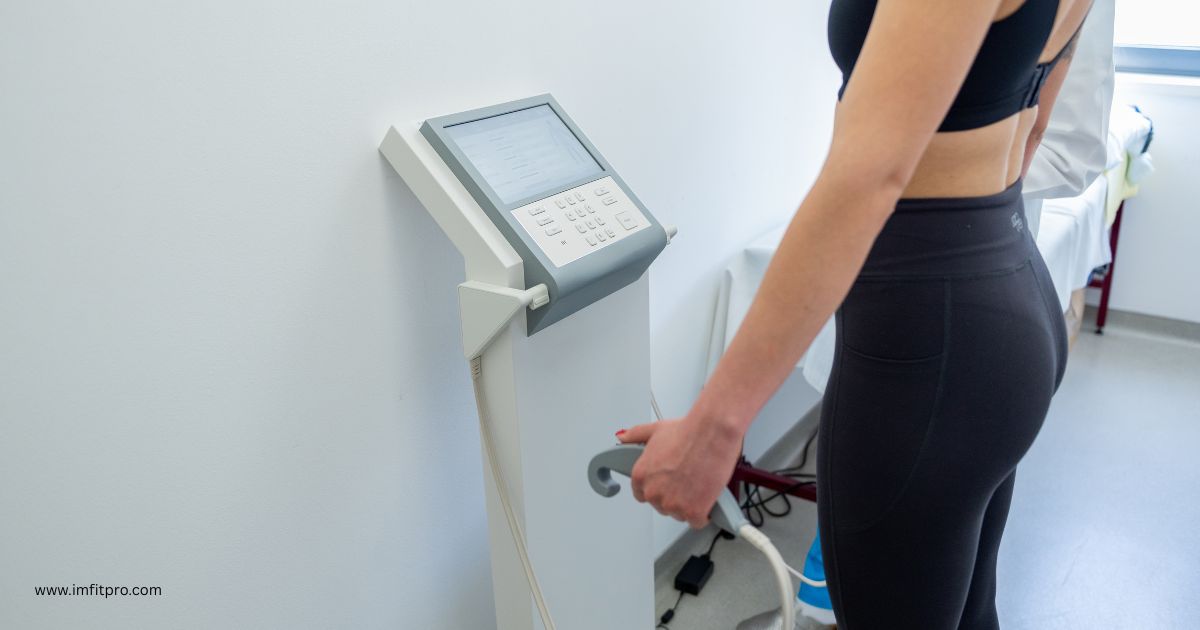
Does Body Recomposition Require a Calorie Deficit?
Not necessarily.
A calorie deficit is generally necessary to produce meaningful net fat loss over time, but body recomposition is about the relationship between changes in fat mass and lean mass rather than simply whether body weight is falling.
Recent research is particularly interesting here. In a 2026 randomized trial, resistance-trained participants following a high-protein diet at maintenance calories increased fat-free mass, while participants in a moderate calorie deficit also increased fat-free mass and lost substantially more fat mass.
This suggests that the presence of a calorie deficit does not automatically prevent muscle gain, particularly when resistance training and protein intake are appropriately managed.
The newest evidence doesn't overturn the basic principles of energy balance. Instead, it shows that changes in fat mass and lean mass can occur simultaneously under certain conditions. The same person can be building lean tissue while mobilizing stored fat, particularly when resistance training, protein intake and starting body composition are favorable.
The size and duration of the study are important limitations, so these results should be interpreted as evidence supporting the possibility of recomposition rather than a guarantee that everyone can build substantial muscle while dieting.
Can Advanced Lifters Really Recomp?
This is where the answer becomes more complicated.
Beginners have a huge advantage because their bodies are highly responsive to a new training stimulus. Someone who has never trained seriously can gain muscle relatively quickly while simultaneously losing fat.
An advanced lifter who has already accumulated years of structured resistance training has much less room for rapid muscle growth. That doesn't make recomposition impossible, but it makes the process substantially slower and more demanding.
Advanced trainees also tend to benefit more from carefully planned periods of muscle gain and fat loss rather than attempting to stay in a state of recomposition indefinitely.
What About Cardio During Body Recomposition?
Cardio is not the enemy of muscle gain, but too much cardio can interfere with recovery if it is poorly programmed alongside high-volume resistance training and inadequate nutrition.
The goal should be to use cardio strategically rather than simply doing as much as possible.
Walking, moderate aerobic exercise and carefully programmed conditioning can help increase energy expenditure and improve cardiovascular fitness without becoming the central focus of the program.
If fat loss is the primary goal, resistance training should still remain a major component because preserving lean tissue changes the quality of the weight you lose.
Frequently Asked Questions
Can you really build muscle and lose fat at the same time?
Yes. Body recomposition is physiologically possible, particularly in beginners, people returning to training, individuals with higher starting body-fat levels and, under the right conditions, trained individuals as well. However, the rate of progress varies considerably.
Is body recomposition better than bulking and cutting?
Not necessarily. Recomposition can be an excellent strategy for some people, but advanced trainees who are already relatively lean may make faster progress by using dedicated muscle-building and fat-loss phases.
How much protein should I eat for body recomposition?
For most people who train regularly, approximately 1.6–2.0 g/kg/day is a practical target. Higher intakes can be useful during calorie restriction, especially in lean resistance-trained individuals.
Do I need a calorie deficit to lose fat?
Sustained fat loss requires an energy deficit over time, but muscle gain and fat loss can occur simultaneously because changes in different tissues do not have to move in exactly the same direction at the same time.
Should I do lots of cardio during a recomp?
Not necessarily. Cardio can support cardiovascular health and increase energy expenditure, but resistance training should remain the primary training stimulus if your goal is to maintain or build muscle.
How long does body recomposition take?
There is no universal timeline. Beginners may notice meaningful changes within several months, while advanced trainees may require considerably longer to see small changes. Measurements, strength and progress photos are often more informative than day-to-day scale weight.
Can I recomp without counting calories?
Yes, some people can achieve recomposition without tracking every calorie, particularly if their food choices, portions and protein intake are already well controlled. However, calorie tracking can be useful when progress has stalled or when greater precision is needed.
Conclusion
Body recomposition is not just a theoretical concept — it is a documented and achievable physiological outcome. The latest evidence shows that people can, under the right circumstances, improve lean mass while reducing fat mass without relying on the traditional idea that muscle gain and fat loss must always happen in completely separate phases.
That said, recomposition isn't always the fastest or most efficient path for everyone. Beginners, people returning to training and individuals carrying more body fat generally have an easier time achieving it. Advanced trainees can also recomp, but the process is usually slower and requires more precise control of training, nutrition and recovery.
The key takeaway is simple: your body is far more adaptable than the old "you can only do one or the other" thinking suggests. But real results still come down to progressive resistance training, sufficient protein intake, appropriate energy intake, recovery and long-term consistency.
If you're training in Dubai and want a structured approach based on your current body composition and goals, working with a personal trainer in Dubai can help you determine whether a recomposition, fat-loss or lean-bulk phase makes the most sense.
Choosing the right training environment can matter too. If you're looking for a suitable place to train, our guide to the best gyms in Dubai can help you compare your options.
Research & Sources
- Comparison of two nutritional protocols in body re-composition of resistance-trained participants — European Journal of Applied Physiology, 2026.
- International Society of Sports Nutrition Position Stand: protein and exercise — Journal of the International Society of Sports Nutrition.
- A systematic review, meta-analysis and meta-regression of the effect of protein supplementation on resistance training-induced gains in muscle mass and strength in healthy adults .
- Achieving an Optimal Fat Loss Phase in Resistance-Trained Athletes: A Narrative Review .
- Characterisation of the Muscle Protein Synthetic Response to Resistance Exercise in Healthy Adults .
- Does Protein Ingestion Timing Affect Exercise-Induced Adaptations? A Systematic Review with Meta-Analysis .


