
10 Strength Training Rules Worth Sticking To
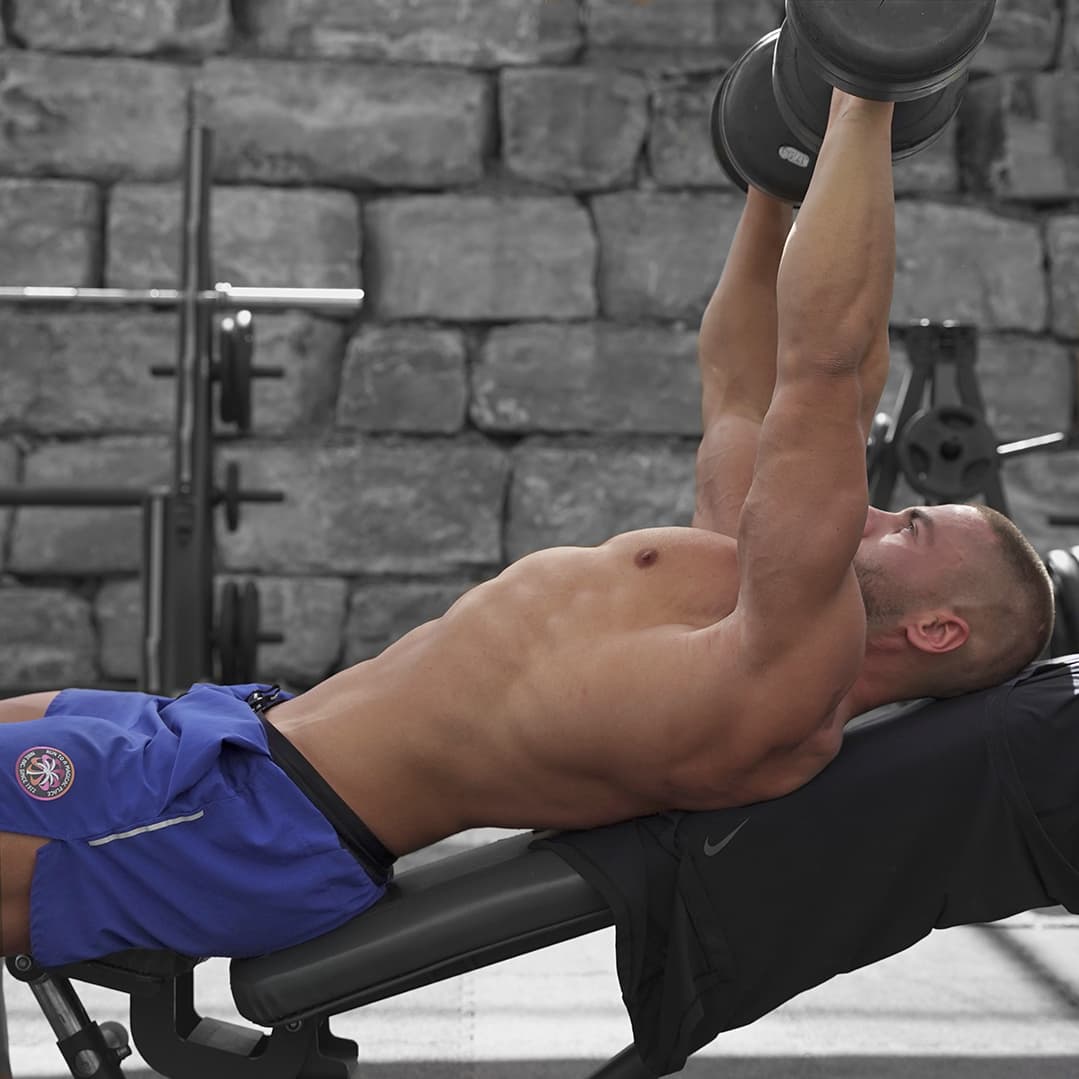
Training science keeps moving. Studies refine old ideas, and some get replaced altogether. The foundations of strength training, though, have barely changed, and you can boil them down to ten rules that help you build and keep muscle and strength.
Strength isn't only about how big your muscles look. You use it every day, from getting out of bed to carrying groceries up the stairs. As you get stronger, other things tend to improve too: losing excess body fat gets easier, you run faster, and you hit harder.
The benefits are physical and general-health related, and they apply to nearly everyone regardless of age, gender or previous experience. UAE health authorities say the same in their public guidance on physical activity, and the Dubai Health Authority has published its own Physical Activity Guidelines.
1. Don't skip the "big four"
The big four are the squat, the deadlift, the bench press and the overhead press. Nothing builds full-body strength more efficiently. Pull-ups and rows deserve a place in your week too, but treat them as support work. They strengthen the back and keep your pushing and pulling muscles in balance. If you want to see how these lifts shape your upper body, have a look at our guide to the most effective exercises for building a V-taper physique.
2. Start with the barbell
Machines look modern and impressive, but the barbell should be the base of your session. Dumbbells come next, and everything else is supporting cast. Each has its place, just not the starring role.
A barbell lets you load heavy weight safely, and heavy lifting is what drives strength gains. Do your barbell work first, while you're fresh, then move on to dumbbells or bodyweight exercises. Most well-equipped gyms in the city have proper racks and platforms. If you're still choosing where to train, our list of the best gyms in Dubai covers prices and what each one offers.
3. Keep it simple
Some coaches turn training into a puzzle and hand clients instructions for the exact speed of every lifting and lowering phase. Unless you compete, you rarely need that. Focus on clean technique and on adding a little weight or a rep from one session to the next. Let tempo take care of itself, based on how the lift feels. Getting stronger comes down to gradually lifting more, and consistency matters far more than any clever method. If your motivation dips, this piece on motivation for training might help.
4. Keep a training log
Write down your exercises, sets, reps and weights. It takes a minute, and it shows you what's really working. You can spot stalls early and change course before you lose weeks. Combine it with your body measurements and you'll get a much clearer picture of progress, which we go into in our article on body recomposition.
5. Don't overdo it
For strength, "less is more" holds up well. Around 3 to 4 exercises per muscle group is plenty, and sessions that drag on tend to hurt progress rather than help it. A good session has one main lift, one or two assistance exercises that keep your body balanced and strengthen the muscles helping the main lift, and one or two core exercises. Your core acts as a stabiliser in almost everything you do.
6. The magic of fives
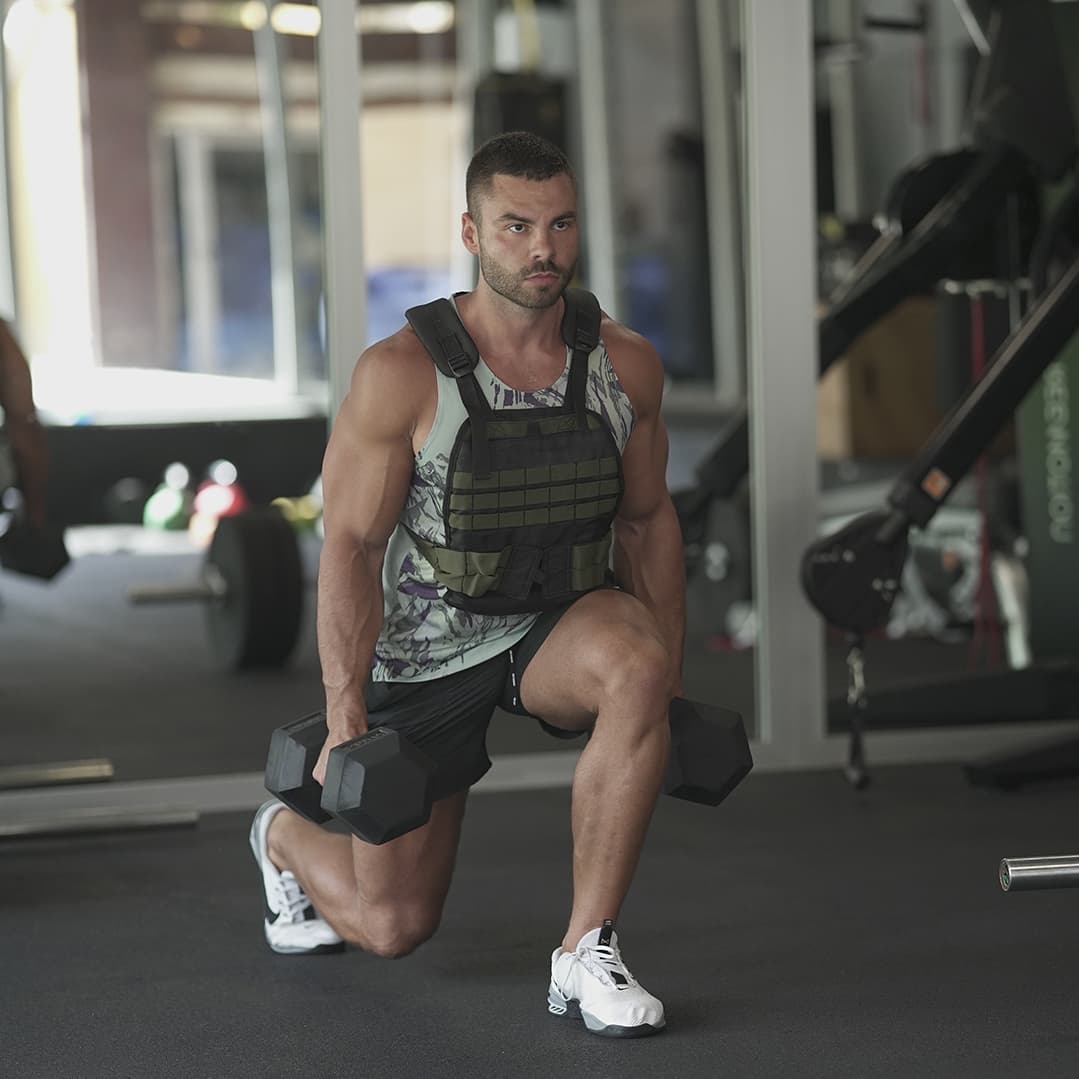
Vary your rep ranges over time. Still, sets of about 5 reps are a proven sweet spot, giving you a good mix of strength and muscle size. It's a solid default for your main lifts.
7. Add weight slowly
Many people stall because they push very heavy loads for too long. Drop the ego. If you've hit a plateau, take about 10% off your working weight, keep the same reps, and build back up in small steps. Steady, patient increases beat big jumps almost every time.
8. Choose HIIT over long, slow cardio
Cardio is good for your heart and general fitness. But if you want to keep your strength while losing fat, very long sessions at low or moderate intensity can eat into your recovery and make it harder to hold on to muscle. High-intensity intervals are a better fit: short, hard and time-efficient. A simple example is alternating brisk walking with short sprints. In Dubai's summer heat, an air-conditioned gym is often the smarter place to do them. Our posts on circuit training and fasted cardio go deeper on how to fit cardio around lifting.
9. Keep your body balanced
Train opposing muscle groups so you don't end up with imbalances, and your injury risk drops too. If you squat, which mostly works the quadriceps, add Romanian deadlifts for the hamstrings. Pair chest work with back work. They don't have to be in the same session, but aim to cover both within the same week.
10. Get the form right
Whatever the exercise, move through the full range of motion with control. Pay attention to your breathing and your positioning. Good form keeps injuries to a minimum and keeps your progress steady, and progress in strength and muscle mass follows. If you're not sure your technique is right, a session with a qualified personal trainer in Dubai can save you months of guesswork. You can also train with guidance from anywhere through online training.


